
standard breed · USA
Ameraucana
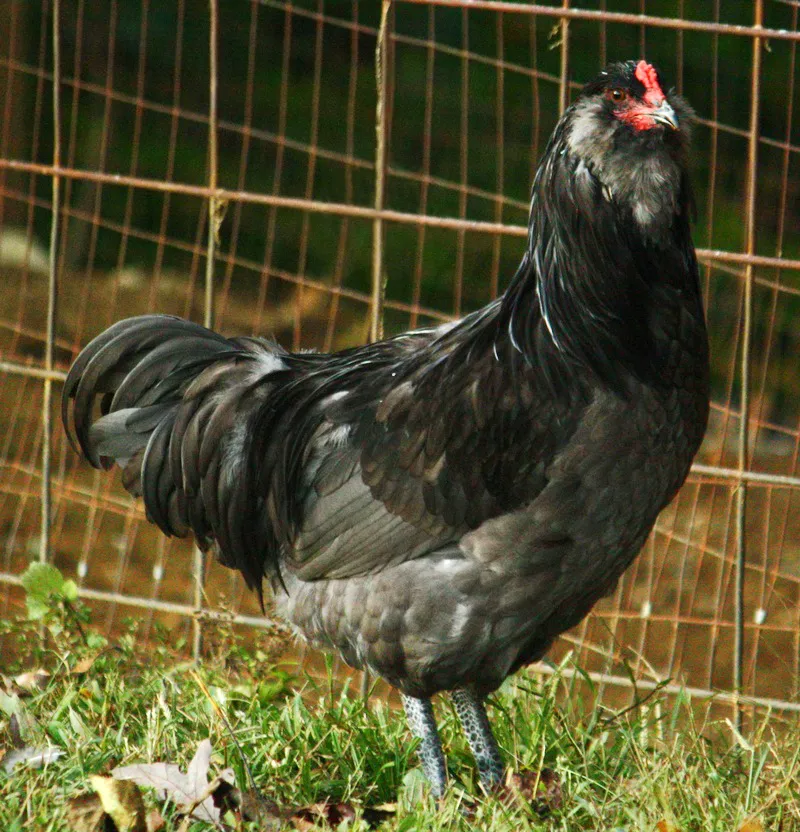
A true blue-egg breed with a pea comb, muffs, and a beard. Hardy and pleasant, though true Ameraucanas are uncommon — most birds sold under the name are Easter Eggers.
| Size class | standard |
|---|---|
| Weight (hen) | 5.5 lb (2.49 kg) |
| Weight (rooster) | 6.5 lb (2.95 kg) |
| Eggs per year | 180 |
| Egg color | blue |
| Egg size | medium |
| Climate tolerance | All climates |
| Temperament | calm |
| Goes broody | rarely |
| Noise level | quiet |
| Beginner-friendly | No |
| Origin | USA |
Is the Ameraucana right for your flock?
The Ameraucana is a standard breed that's better suited to experienced keepers. Hens lay around 180 blue eggs per year and tolerate most climates well.
Temperament: calm. Broodiness: rarely. Noise level: quiet. A reasonable choice for suburban yards.
What this breed needs
- Coop space: about 4 sq ft per bird inside the coop. Run the numbers for your specific flock size in the coop size calculator.
- Climate fit: adapts to a wide range of climates with no special accommodations.
- Eggs: a steady, reliable producer — a good general-purpose layer. For a month-by-month breakdown, see How Many Eggs Does an Ameraucana Lay Per Year?.


History
Ameraucana is an APA-recognized blue-egg breed — tailed, muffed and bearded, pea-combed — standardized in the United States and often confused with both Araucana and the non-breed catch-all Easter Egger. This page is the standardized-breed half of a pair with Flockmath’s Easter Egger profile: same naming mess, opposite bird.
The Ameraucana Alliance defines an Ameraucana as a chicken that meets the APA and/or ABA breed description and either meets a variety (color) description or breeds true at least 50% of the time (recognized or project varieties). Large fowl and bantam are treated as two Ameraucana breeds. Alliance history (John W. Blehm) places APA recognition of Araucana in 1976 and Ameraucana in 1984. After Araucana was locked as rumpless + ear-tufted, breeders of muffed, tailed blue-egg birds organized a club and chose the name Ameraucana over “American Araucana” by a 9 to 5 vote. Both standardized breeds were developed from mixed blue-egg populations already called Easter Eggers — not by simply crossing modern Araucanas into other breeds. Alliance FAQ: no tufted-rumpless fowl were used to create recognized Ameraucana varieties; Ameraucanas were not bred up from Araucanas and vice versa.
Morphology that separates the APA pair is consistent across Alliance/ABC and University of Kentucky Extension (ASC-190): Araucana = rumpless + ear tufts (tuft allele nearly always lethal when homozygous); Ameraucana = tail + muffs and beard (true-breeding facial feathering). Both have pea combs and blue-egg genetics. ABC FAQ lists APA large-fowl colors including the original eight plus later Self Blue and notes Splash on the ABA/APA timeline; Alliance FAQ dates Self-Blue large fowl APA 2020 and Splash large fowl APA 2023. Oklahoma State University’s breed page (Wayback capture) correctly separates Ameraucana from Easter Eggers and Araucana temperament/type, but its APA variety list (blue, black, blue wheaten, brown red, silver, wheaten, white) omits Buff among the original eight — club lists are the authority for variety inventory.
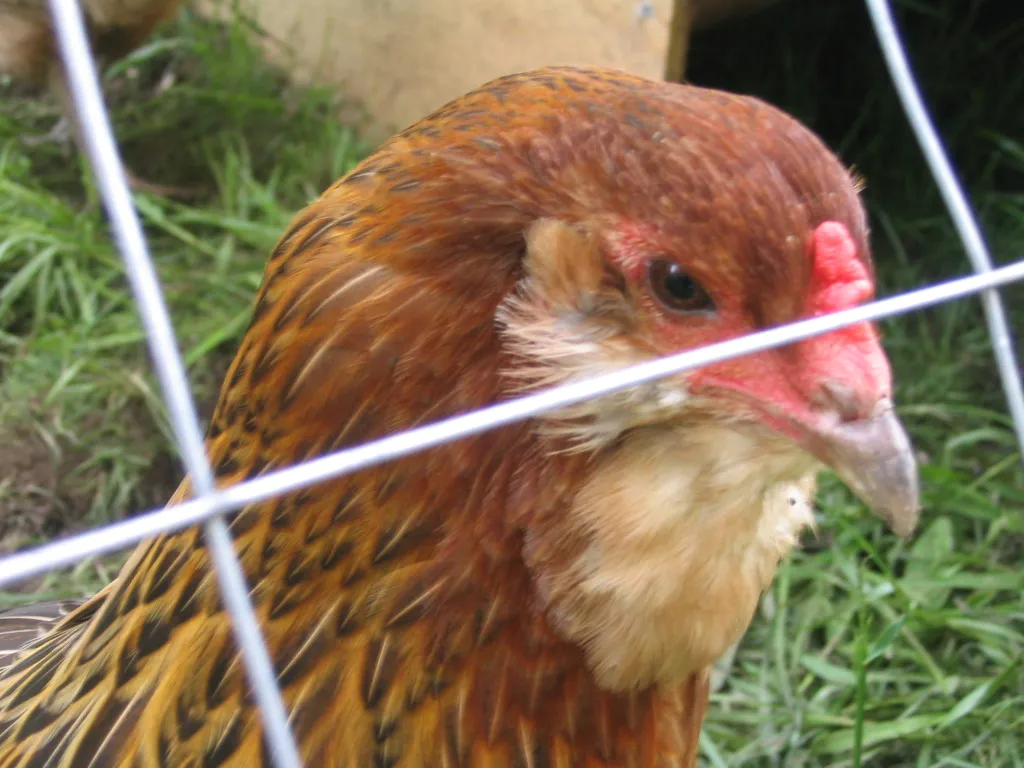
The feed-store problem (verified, not folklore). Alliance FAQ: “Many day-old chicks sold as Araucanas (or Ameraucanas) by commercial hatcheries are actually mongrels (aka Easter Egg chickens), meeting the requirements of neither breed.” Blehm: “Americana” is not a breed — hatcheries misspell Ameraucana and sell mongrels; fine backyard birds, disqualified at APA shows. Cackle Hatchery (hatchery guidance) repeats the same split: Americana / Americauna / Easter Egger / Rainbow Layer ≠ true Ameraucana; true birds have muffs, beard, pea comb, slate legs, tail, and blue-egg genetics. Flockmath’s breeds.json line — true Ameraucanas uncommon; most birds sold under the name are Easter Eggers — matches that institutional/hatchery consensus.
Conservation. Livestock Conservancy has a live Araucana breed page (Critical) and no Ameraucana breed page (/ameraucana-chicken/ 404s this pass). Cackle prints TLC: Not Listed. Absence here is “not on the Conservancy priority list,” not a fabricated Watch/Recovering status. Conservancy’s Araucana page separately warns that hybrid blue-egg popularity and dominant blue/tuft/rumpless traits threaten pure Araucana identity — context for why label honesty matters across this whole color family.
Care
Eggs. The Alliance publishes no closed annual egg count; official shell color is blue (shade charts are reference tools, not a license for green-as-standard). Planning figures come from extension and labelled commercial/hatchery sources — and they disagree:
- OSU (Wayback): “fair” production at 3 blue eggs a week (~156/year arithmetic); not especially broody.
- Cackle Breed Facts (Black Ameraucana product, hatchery): 180–200 eggs/year (estimates only); shell “Blue… a few light green”; egg size medium–large; APA 1984; TLC Not Listed.
- Cackle spotlight (hatchery): 180–200; light blue, occasional greenish; often lay in winter.
- Lafeber (commercial): about 200/year (“Very Good”); large blue eggs.
- UNH Extension: lumped “Ameraucana/Easter Eggers” 180–200 — does not isolate true Ameraucana.
- USU Extension table: Ameraucana 200–250, “blue to green,” temperament friendly/quiet — but the same row’s tagline calls it an “Easter egger” breed, which contradicts Alliance/ABC. Count may be used only with that caveat; color tagline is not followed.
Flockmath’s 180 sits at the floor of Cackle/UNH’s 180–200 band, below Lafeber ~200 and USU’s upper row, and above OSU’s “three a week” floor. Alliance silence on annual count is named, not filled with invented club numbers. Matching production detail: Ameraucana egg guide.
Color genetics vs marketing. Blue eggshell is genetically dominant (UKY; classic oocyan / O). Alliance/ABC: biliverdin colors the shell through-and-through; green/olive tones come from a brown protoporphyrin overlay — green is not the Ameraucana Standard goal. UKY’s table lumps Araucana/Ameraucana as “blue to light green” and says Ameraucana/EE shells vary “pink to green” — that extension wording is broader than the club’s blue-only Standard and is named rather than silently preferred.
Weights & type. Cackle product facts and Lafeber: about 5.5 lb hen / 6.5 lb rooster — matches Flockmath. Cackle’s own spotlight FAQ says hens “about 4.5 pounds” — hatchery pages disagree with each other; named. OSU: medium, “about 6 to 7 lbs” without a clean cock/hen split. Slate legs and muffs/beard/pea comb/tail are the type markers clubs and Cackle use to separate true birds from Easter Eggers.
Climate. UMN Extension names Ameraucana among heavier breeds that over-winter well. Cackle (hatchery) stresses pea comb, small wattles, and feathering for winter hardiness and winter lay — and warns that wet beards/muffs at waterers can frostbite in cold. Poultry Extension: pea combs show much less frostbite incidence than large single combs; UMN still ties frostbite to moisture + cold and wooden roosts. Flockmath climate all is usable with management; UMN’s cold endorsement is the strongest institutional climate line fetched for this breed. UKY’s winter-hardy list in ASC-190 does not name Ameraucana (it names Rock, RIR, etc.) — so do not claim UKY winter endorsement.
For coop sizing / egg modeling: coop size calculator and egg production calculator.
Temperament
OSU: “docile and sweet” with a “formidable constitution,” still “quite rare,” and distinct from Easter Eggers. USU: Friendly, quiet (same table that mislabels the breed as an Easter egger — temperament cell used cautiously). Lafeber: Friendly and docile; noise moderate. Cackle Breed Facts: Active/Flighty; spotlight: temperament can range from docility to flightiness; roosters “not typically aggressive.” Flockmath’s calm sits with OSU/Lafeber more than with Cackle’s facts-table Active/Flighty. Flockmath’s quiet matches USU’s quiet tag and sits against Lafeber’s moderate. Flockmath good_for_beginners: false fits the sourcing reality Alliance and Cackle both push: true birds are specialty purchases, not the cheap feed-store “Americana” chick — even when many individual birds are pleasant.
Broodiness. OSU: “aren’t especially broody.” Cackle facts: Non Setter; spotlight: hens “may or may not brood,” and a broody hen makes a good mother. Flockmath rarely aligns with OSU and Cackle’s Non Setter more than with “may brood.” UKY lists Araucana among possible broody breeds and does not list Ameraucana on that broody roster.
Health
No fetched club or extension page flags an Ameraucana-specific infectious disease. Honest gap. Management points that are sourced:
- Buy the right bird: Alliance/ABC/Cackle mislabeling warnings — show disappointment is a real risk when hatchery “Ameraucanas” are Easter Eggers.
- Araucana tuft lethality is an Araucana breeding problem (Alliance; Conservancy Araucana page); Ameraucana muffs/beard were standardized partly to avoid that trap — still do not confuse the two at purchase.
- Facial feathering + waterers: Cackle’s wet-beard frostbite note in cold; trim muffs if vision is blocked (hatchery husbandry).
- Crossbeak: Cackle notes occasional crossbeak in blue-egg lines generally — labelled hatchery observation.
- Cholesterol myth: Alliance FAQ cites Texas A&M Extension poultry specialist William O. Cawley (1979) — blue eggs are not lower-cholesterol “super eggs.”
If frostbite occurs, UMN recommends a veterinarian; severe untreated frostbite can mean permanent tissue loss and may require isolation from pecking.
True Blue, Harder to Buy: The Bottom Line
If you want APA-standard blue eggs from a muffed, bearded, tailed pea-comb bird — not a pastel surprise basket — Ameraucana is the breed the Alliance, ABC, UKY morphology notes, and honest hatchery copy all describe. Flockmath’s 180 eggs/year is a planning Normal at the floor of Cackle/UNH’s 180–200 band (Lafeber ~200; OSU’s “three a week” lower; USU’s 200–250 higher but compromised by that table’s Easter-egger mislabel). Expect Standard blue shells (Alliance), with commercial notes that a minority may tint greenish — not the rainbow palette of Easter Eggers.
Expect real scarcity of true stock relative to feed-store labeling, winter hardiness named by UMN, pea-comb frostbite advantage that still needs a dry coop, and temperament language that ranges from OSU’s “docile and sweet” to Cackle’s “Active/Flighty.” Buy from Alliance/ABC directories or hatcheries that explicitly sell recognized varieties and distinguish Easter Eggers — or buy an Easter Egger on purpose via the Easter Egger profile and stop expecting show type. You are buying a 1984 APA breed with a paper trail, not a Conservancy Critical listing (that’s Araucana), and not whatever the feed-store Sharpie says.
Sources
- Definition of Ameraucana vs Easter Egger; hatchery mongrels sold as Ameraucana/Araucana; Araucana vs Ameraucana morphology; APA/ABA variety timeline; cholesterol myth (Cawley / Texas A&M cited); Midwest standardization: Ameraucana Alliance — FAQ
- Breed vs Easter Egger; blue shell = Standard; biliverdin/protoporphyrin; buyer questions for true stock; variety lists: Ameraucana Breeders Club — FAQ
- History essay (APA Araucana 1976 / Ameraucana 1984; name vote; Americana misspelling; both breeds from Easter Eggers; blue vs green tint; pastel blue goal): Ameraucana Alliance — “Ameraucana Chickens,” John W. Blehm
- Araucana vs Ameraucana morphology; Easter egger definition; dominant blue gene; table “blue to light green” for Araucana/Ameraucana; pink-to-green wording for Ameraucana/EE (broader than club Standard): University of Kentucky Cooperative Extension — ASC-190
- Docile/sweet; muffs/beard vs tufts; fair lay ~3 blue eggs/week; not especially broody; still quite rare; distinct from Easter Eggers; incomplete APA variety list vs clubs: Oklahoma State University — “Ameraucana Chickens.” (Fetched via Wayback Machine capture 5 March 2026, timestamp
20260305142522.) - Ameraucana among heavier breeds that over-winter well; frostbite moisture/ventilation: University of Minnesota Extension — “Caring for Chickens in Cold Weather.”
- Pea vs single comb frostbite incidence: Poultry Extension — “Frostbite in Chickens,” Dr. Jacquie Jacob, University of Kentucky.
- Lumped “Ameraucana/Easter Eggers” 180–200 eggs/year: UNH Extension — “Producing Your Own Eggs.”
- USU table Ameraucana 200–250 / friendly quiet — Ameraucana row mislabeled “Easter egger” breed (not followed for identity/color): Utah State University Extension — “Managing Chickens From Chicks to Peak Egg Production.”
- Conservancy: no Ameraucana breed page (404 on
/ameraucana-chicken/); contrast live Araucana Chicken page (Critical; hybrid blue-egg threat noted). - Hatchery guidance (labelled): Cackle Hatchery — Black Ameraucana — 180–200 eggs; APA 1984; TLC Not Listed; Broody Non Setter; Temperament Active/Flighty; weights 5.5/6.5; muffs/beard/pea/slate/tail; vs Easter Egger/Americana. Cackle — Ameraucana spotlight — 180–200; winter hardiness; wet-beard frostbite note; hen weight ~4.5 in FAQ vs 5.5 on product facts; Americana ≠ Ameraucana. Cackle — “Blue Egg Chicken: Ameraucana or Americana?”
- Commercial retailer (labelled): Lafeber — Ameraucana — ~200 eggs; APA 1984; muffs/beard/pea comb; 5.5–6.5 lb; friendly/docile; noise moderate; not common in stores — look for reputable breeders; Alliance origin note.
Ours: framing Flockmath’s 180 inside Cackle/UNH 180–200 while naming OSU’s lower “three a week,” Lafeber ~200, and USU’s higher 200–250 (with USU identity error); verifying the breeds.json “most sold as Ameraucana are Easter Eggers” claim against Alliance/Cackle rather than assuming it; naming shell-color tension (Alliance blue-only vs UKY/USU/Cackle greenish notes); naming temperament (OSU/Lafeber calm-friendly vs Cackle Active/Flighty) and quiet vs Lafeber moderate; naming broodiness (OSU / Cackle Non Setter / Flockmath rarely vs spotlight “may brood”); naming weight mismatches including Cackle’s internal 4.5 vs 5.5 hen figures; treating Conservancy coverage as Araucana-present / Ameraucana-absent rather than inventing Ameraucana status; and leaving breeds.json unchanged this pass.