
standard breed · Netherlands
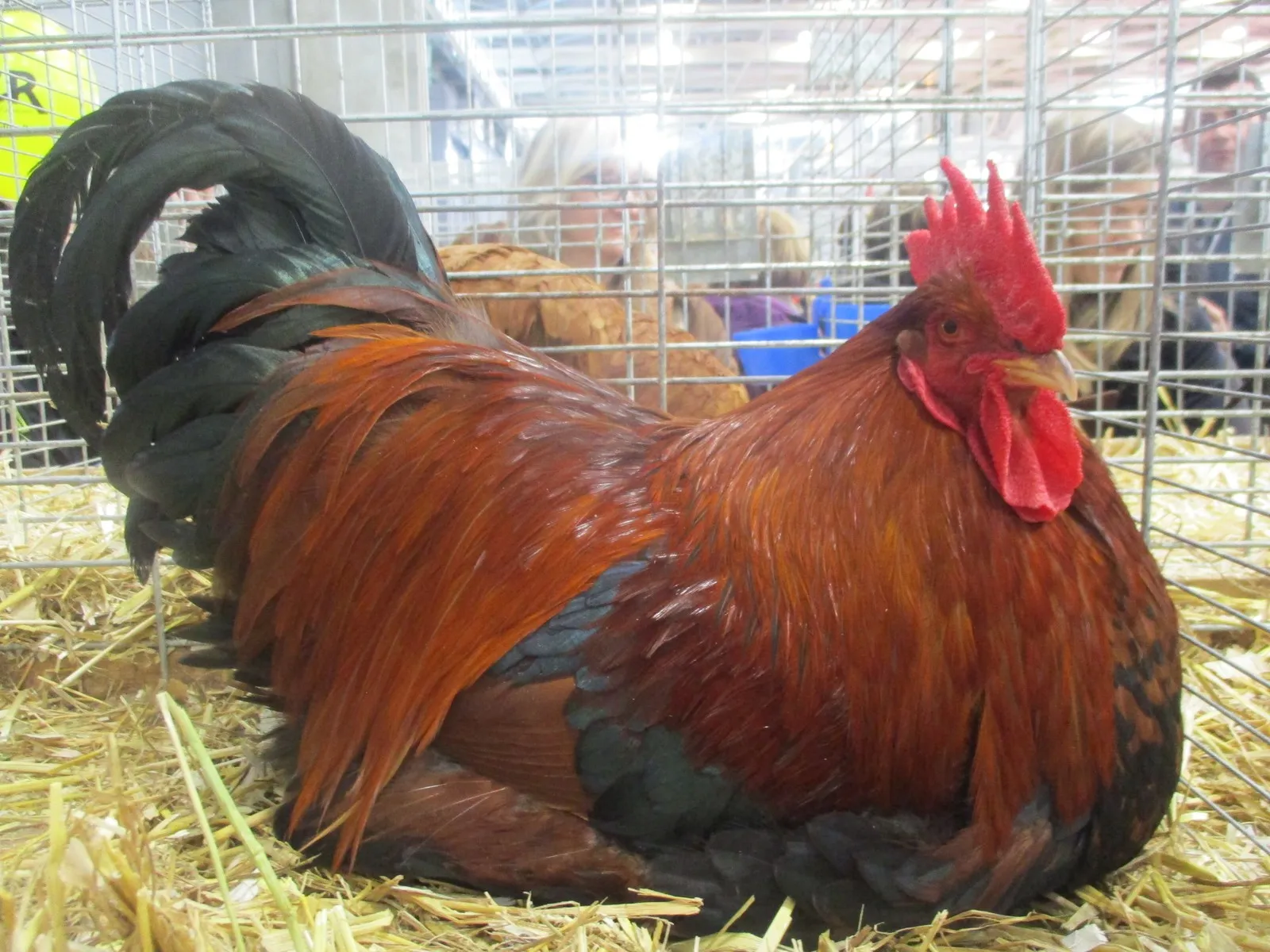
Welsummer
Popularly linked to the Cornflakes rooster — though no breed club or extension source confirms it. Lays beautiful terracotta-brown eggs flecked with darker spots. Friendly, hardy, and a steady layer.
| Size class | standard |
|---|---|
| Weight (hen) | 6 lb (2.72 kg) |
| Weight (rooster) | 7 lb (3.18 kg) |
| Eggs per year | 180 |
| Egg color | dark brown speckled |
| Egg size | large |
| Climate tolerance | All climates |
| Temperament | calm |
| Goes broody | rarely |
| Noise level | moderate |
| Beginner-friendly | Yes |
| Origin | Netherlands |
Is the Welsummer right for your flock?
The Welsummer is a standard breed that's well-suited to first-time keepers. Hens lay around 180 dark brown speckled eggs per year and tolerate most climates well.
Temperament: calm. Broodiness: rarely. Noise level: moderate.
What this breed needs
- Coop space: about 4 sq ft per bird inside the coop. Run the numbers for your specific flock size in the coop size calculator.
- Climate fit: adapts to a wide range of climates with no special accommodations.
- Eggs: a steady, reliable producer — a good general-purpose layer. For a month-by-month breakdown, see Welsummer Egg Production: How Many Eggs Per Year?.


History
Welsummer (Dutch spelling Welsumer) is a Dutch dual-purpose / dark-egg breed named for the village of Welsum on the IJssel in the eastern Netherlands. It is the standardized terracotta-speckled egg bird often compared with Barnevelder and Marans — and it is not a Livestock Conservancy priority breed in the U.S.
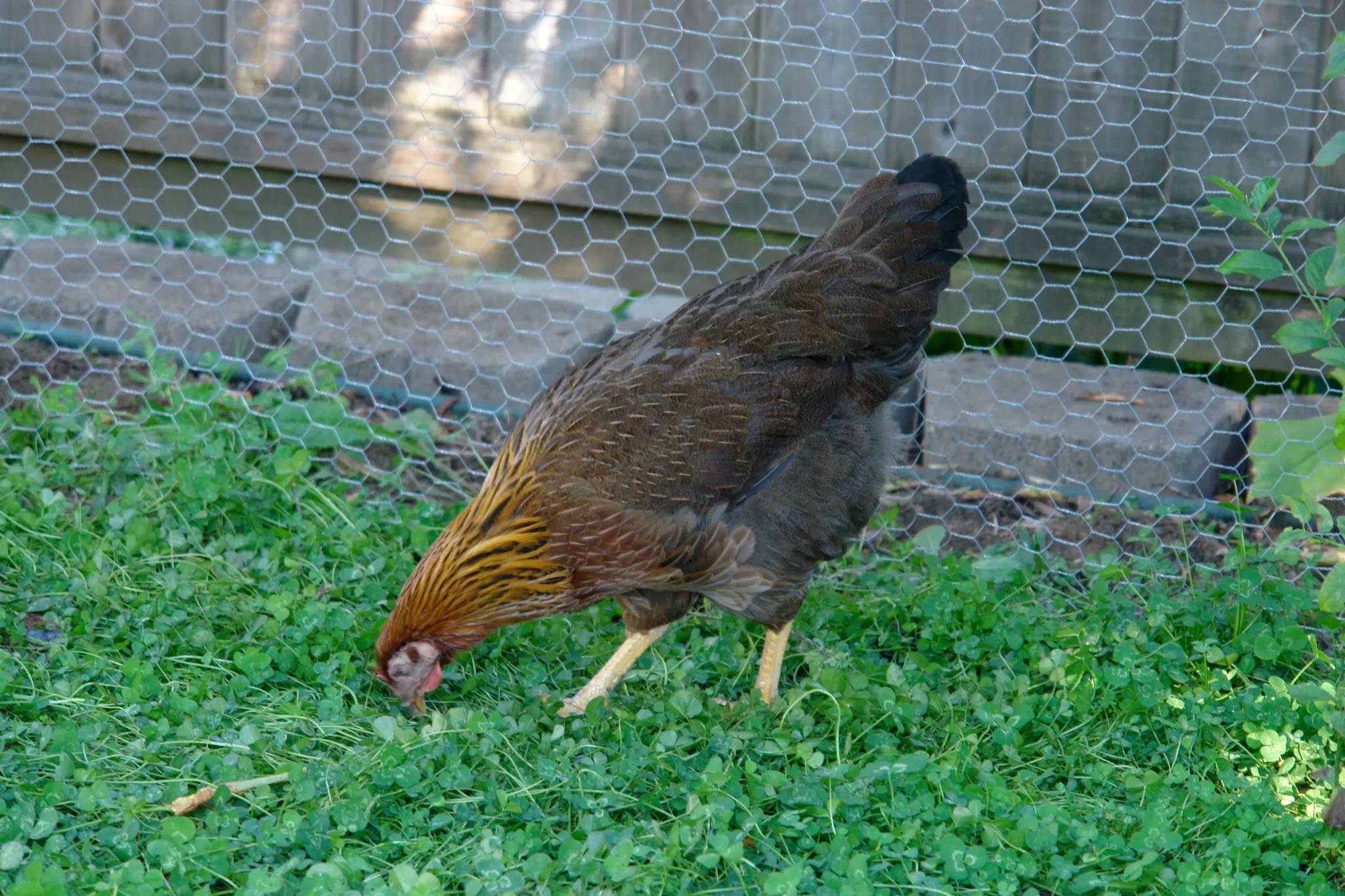
The Dutch breed club (Welsumerclub) frames it as a home-grown Dutch fowl kept in the Netherlands only in red partridge (roodpatrijs), treated as the “original” color. Official standard language on the club site (later adopted into the Kleindier Liefhebbers Nederland standard) stresses a deep body, relatively small head, single upright comb, red earlobes, yellow legs, and fame for very large, dark brown eggs. Club weights: cock 2.75–3 kg, hen 2–2.5 kg. Club production note: about 180 eggs per year, eggs 73–85 g, calm character, speckled brown shells; birds like free range but tolerate a closed run.
Ruud Kreton’s Aviculture Europe breed article (fetched PDF) fills in development history institutional clubs still use: early-1900s crosses from local mixed stock with foreign blood (Malay-, Dorking-, Brahma-type birds; later Barnevelder, Rhode Island Red, partridge Leghorn). An official standard appeared in 1924; after 1928 the Dutch society for improving the breed pushed type and color, settling on red partridge as unique to Welsummer. World Poultry Congress / Hague show (1921) put the large dark eggs on the international map. Exports followed: Germany recognized the breed 1928 (German club 1929; also yellow/silver partridge there); England imported 1928, British Standard 1930. Kreton: after commercial hybrids out-laid them, Welsummers became more of a fanciers’ breed; a modern Dutch club restart is dated 1969 at Barneveld (Gallinova). Dutch club opinion: red partridge should remain the only Dutch color — Germany/France recognize more.
U.S. institutional notes are thinner. Oklahoma State University (Wayback): Holland origin; dual-purpose “chocolate eggers”; APA recognizes one variety, red partridge; single comb; good winter constitution; “fairly commonplace.” Cackle Hatchery (hatchery): U.S. arrival 1928; partridge into the American Standard of Perfection 1991; TLC Not Listed. Lafeber (commercial): APA 1991; debut at World Poultry Congress Holland 1921. The Official Welsummer Club of North America exists (OWCONA weebly fetched) with a conservation/promotion mission statement but almost no breed-standard body text on the home page this pass — Dutch club + Kreton + APA dates from hatchery/extension carry the history load.
Conservation. Livestock Conservancy /welsummer-chicken/ 404s. Cackle prints TLC: Not Listed. Absence is “not Conservancy-listed,” not a Watch status to invent.
Cornflakes rooster folklore. Flockmath’s breeds.json description calls Welsummer “the breed behind the Cornflakes rooster.” No fetched Dutch club, OSU, Conservancy, or UKY page makes that claim. Busy Beaver Button Museum attributes Kellogg’s Cornelius (since 1957) to a “Wellsummer rooster” illustration (museum misspelling) — advertising-history curation citing Kellogg history, not a poultry-club verification. This profile does not repeat the mascot claim as fact; soft finding for a description rewrite. Commit 2050f81 implemented that rewrite: the JSON description now states only what’s verified — no breed club or extension source confirms the connection.
Care
Eggs. Planning numbers disagree across the hierarchy:
- Welsumerclub (NL): about 180/year; very large (73–85 g); speckled brown; club notes shell color lightens as a fast-laying hen outruns the brown pigment gland, while speckles keep intensity longest (light egg with dark spots late in the cycle).
- Kreton / Aviculture Europe: historical selection for large dark spotted eggs (65–70 g show preference); same fade-vs-speckle physiology; warning from 1925 not to breed only from darkest eggs (they came from poorest layers) — the classic dark-egg vs production tension.
- USU Extension table: Welsummer 160–200 speckled dark brown; medium; Friendly.
- OSU: large reddish-brown (often speckled) eggs four times a week (~208/year arithmetic); “chocolate eggers.”
- Lafeber: about 160–200/year (“Good”); very large; varying brown with “spackling.”
- Cackle: Breed Facts 200–280 (estimates only); dark brown; spotlight 200+ medium–large, speckles common, color lightens through the cycle then darkens after molt.
Flockmath’s 180 matches the Dutch club point estimate and sits inside USU/Lafeber 160–200, below Cackle’s hatchery ceiling and near OSU’s four-a-week arithmetic. Maine Extension groups Welsummers with Barnevelders and Marans as layers of “very dark brown, almost chocolate-colored” eggs for farm-stand interest — qualitative, no annual count. Matching production detail: Welsummer egg guide.
Weights & type. Dutch club / Kreton pullet ~2 kg, cock ~3 kg. Cackle and Flockmath: hen 6 lb, rooster 7 lb. Lafeber 4.5–6.5. OSU “about 6–7 lbs.” U.S. hatchery/APA-facing figures run heavier than the Dutch hen standard maximum — named, not silently averaged. Clean yellow legs, single comb, red partridge pattern (APA one variety per OSU/Lafeber; other colors abroad per Kreton/Cackle).
Climate. OSU: good winter constitution. Cackle spotlight: all-climate (Welsum freezes in winter, ~90°F in summer). Lafeber: “Best in cooler climates.” UMN’s heavier-breed winter list does not name Welsummer. Flockmath all matches Cackle’s all-climate framing more than Lafeber’s cooler preference — those commercial/extension lines disagree. Single comb: Poultry Extension — large single combs frostbite more than pea/strawberry; UMN still ties frostbite to moisture + cold.
Autosexing (qualified). Cackle and Kreton describe red-partridge chicks as autosexing (pullets darker head/back striping; cockerels lighter). Kreton: not all chicks are clearly marked — some doubt remains. Useful when it works; not a guarantee.
For coop sizing / egg modeling: coop size calculator and egg production calculator.
Temperament
Dutch club: quiet/calm character (rustige karakter). OSU: “intelligent and friendly… although not especially docile.” USU: Friendly. Cackle Breed Facts: Active; spotlight: “friendly and docile… not at all aggressive,” active foragers. Lafeber: lead “docile”; overview “Active and intelligent”; noise moderate. Flockmath calm / beginner-friendly / moderate noise sits with Dutch club calm + Lafeber noise, and against OSU’s “not especially docile” and Cackle’s facts-table Active. This profile names that spread rather than picking the friendliest hatchery line.
Health
No fetched club or extension page flags a Welsummer-specific infectious disease. Honest gap. Management points that are sourced:
- Dark-egg vs production tradeoff (Kreton’s 1925 warning; club pigment-gland fade) — select for shade without assuming darkest shells mean best layers.
- Single-comb frostbite in damp cold (Poultry Extension; UMN moisture rule).
- Broodiness for hatching: UKY lists Welsummers among breeds that rarely go broody (non-sitters); Kreton “seldom”; Cackle “seldom… not especially good mothers” / facts Variable. Plan on incubators or a surrogate if you want natural mothers.
If frostbite occurs, UMN recommends a veterinarian; severe untreated frostbite can mean permanent tissue loss and may require isolation from pecking.
Speckled Terracotta: The Bottom Line
If you want a Dutch red-partridge bird whose reputation is large dark brown eggs with lasting speckles, Welsummer is the breed the Dutch club, Maine’s dark-brown trio note, and OSU’s “chocolate eggers” language all describe. Flockmath’s 180 eggs/year matches Welsumerclub’s ~180 and sits inside USU/Lafeber 160–200, below Cackle’s hatchery 200–280. Expect shell color to lighten through a heavy lay while speckles hang on (club/Kreton) — that is physiology, not a broken hen.
Expect APA-era U.S. recognition (1991), winter-capable single-comb birds that still need a dry coop, temperament language that runs from Dutch “calm” to OSU “not especially docile,” and broodiness that extension/European sources call rare even when hatchery facts say variable. Ask whether you are buying Dutch-type red partridge or a foreign color variety, and whether the line was selected for show type or egg shade. You are buying terracotta with a Dutch paper trail — not a Conservancy Critical listing, and not an unverified cereal-mascot origin story.
Sources
- Dutch standard (red partridge only in NL); ~180 eggs/year; 73–85 g eggs; calm character; cock 2.75–3 kg / hen 2–2.5 kg; speckled brown eggs; pigment fade vs lasting speckles; free-range preference: Welsumerclub — “Welsumer”
- History (Welsum/IJssel; 1924 standard; 1921 Congress; Barnevelder/RIR/Leghorn crosses; 1925 darkest-egg warning; Germany 1928/UK 1930; seldom broody; 65–70 g eggs; fade vs speckles; autosexing with unclear chicks; Dutch club 1969): Aviculture Europe — Ruud Kreton, Welsummer breed article (PDF)
- Holland origin; dual-purpose; chocolate eggers; ~4 large reddish-brown (often speckled) eggs/week; ~6–7 lb; APA red partridge only; intelligent/friendly but not especially docile; single comb; winter constitution: Oklahoma State University — “Welsummer Chickens.” (Fetched via Wayback Machine capture 5 March 2026, timestamp
20260305142856.) - Table: 160–200 speckled dark brown; friendly; unique-egg list with Marans/Ameraucana: Utah State University Extension — “Managing Chickens From Chicks to Peak Egg Production.”
- Dark-brown egg trio (Barnevelders, Marans, Welsummers): University of Maine Cooperative Extension — Bulletin #2104
- Welsummers among breeds that rarely go broody; table dark brown eggs: University of Kentucky Cooperative Extension — ASC-190
- Frostbite moisture/ventilation; heavier winter list does not include Welsummer: University of Minnesota Extension — “Caring for Chickens in Cold Weather.”
- Single vs pea comb frostbite incidence: Poultry Extension — “Frostbite in Chickens,” Dr. Jacquie Jacob, University of Kentucky.
- Conservancy gap:
/welsummer-chicken/404; Cackle TLC Not Listed. - North America club (mission only; thin public standard text this pass): Official Welsummer Club of North America
- Hatchery guidance (labelled): Cackle Hatchery — Welsummer — 200–280 eggs; APA 1991; TLC Not Listed; Broody Variable; Temperament Active; weights 6/7; U.S. 1928. Cackle — Welsummer spotlight — 200+ eggs; seldom brood; all-climate; friendly/docile vs facts-table Active; autosexing claim.
- Commercial retailer (labelled): Lafeber — Welsummer — 160–200 eggs; APA 1991; cooler climates; active/intelligent; noise moderate; red partridge only; 4.5–6.5 lb.
- Cornflakes claim (museum advertising note only — not used as poultry fact): Busy Beaver Button Museum — Kellogg’s Corn Flakes Rooster — attributes Corny to a “Wellsummer” illustration (misspelled).
Ours: framing Flockmath’s 180 against Dutch club ~180 and USU/Lafeber 160–200 while naming Cackle 200–280 and OSU’s four-a-week arithmetic; naming Dutch vs U.S. weight bands; naming temperament (Dutch calm / OSU not especially docile / Cackle Active vs spotlight docile); naming broodiness (UKY/Kreton rare vs Cackle Variable); naming Lafeber “cooler” vs Cackle all-climate / Flockmath all; refusing the Cornflakes-mascot description line as unverified poultry fact; and leaving breeds.json numbers unchanged this pass while flagging the description for a copy edit. (Update, commit 2050f81: the description was reworded to state only what fetched sources actually support.)