
Chicken Molting: When It Starts, How Long It Lasts, What to Feed
When hens molt, how long a molt takes, how to tell a molt from mites, and what to feed while feathers regrow — with the laying pause explained.
Hens molt once a year, dropping and regrowing their feathers as day length falls away in autumn, and most stop laying until the new plumage is in. How long it takes depends on the bird: fast molters finish in two to three months, slow molters drag it out over four to six, and a flock molted together is usually back in production in 10 to 12 weeks. Feathers go from the head first, then the neck, breast, body, wings and tail — feather loss that starts at the vent instead is parasites, not a molt. Keep a 16 to 18 percent protein layer ration in front of the birds and do not try to force them through it with light.
Work out what the laying pause costs you across the year with the egg production calculator.
What a molt is
A molt is the annual replacement of a hen’s feathers. She drops the old set, grows a new one, and while that is happening her body has other priorities than eggs. Mississippi State puts it plainly: most hens stop producing eggs until after the molt is completed, though the rate of lay for some hens may not be affected.
It is a normal event on a normal schedule, not a symptom. Florida IFAS describes the molt as a natural part of the bird’s life cycle that does not indicate a problem — worth remembering when half your flock looks moth-eaten in October and the nest boxes go quiet.
Feathers are protein-heavy, and the amino acid that matters most is methionine. Mississippi State notes that feathers contain high levels of it, and that a bird whose diet runs short will start eating feathers to make up the shortfall. That is the whole reason feed matters during a molt: you are asking the hen to build a new coat out of something her ration has to supply.
When chickens molt
The trigger is day length. Hens lay while the days are long, and production falls away as they shorten. Florida IFAS puts the mechanism directly: decreasing day length during the fall and shorter day lengths in winter would be expected to cause a severe decline, or even cessation, in egg production unless supplemental light is provided — and when production ceases, the birds may also undergo a feather molt.
So the answer to “what month do chickens molt” is not a month. It is whenever the light drops far enough where you live, which for most backyard flocks in the northern hemisphere means late summer through autumn.
The first molt
A pullet does not molt in her first autumn if she is young enough. Penn State has pullets coming into production at around 20 weeks, and Florida IFAS says good layers will lay for about 50 to 60 weeks before taking the rest period called a molt. Put those together and the first adult molt lands somewhere past a year of age — which is why a spring-hatched pullet usually lays straight through her first winter and molts the following autumn instead.
Autumn: the normal molt
This is the one you should expect. Days shorten, laying tails off, feathers come out. Nothing here needs fixing.
Winter: molting in the cold
A hen who is still bare in December is carrying a real cost, because she is heating herself without a full coat. The molt itself is not the problem — the timing is. Keep her dry and out of draughts, make sure the ration is not being diluted with scratch, and do not add light in the hope of hurrying her along.
Spring and summer: an off-season molt
Molting outside autumn is usually a sign that something interrupted the bird rather than that the season did. The extension consensus is that a molt can be brought on by circumstance, not just by day length: feeding the wrong feed, diluting feed with scratch grains, or limiting how much feed is available can produce a nutritional deficiency that pushes hens into a molt and out of production. Illness, a move, a predator scare, or a spell without water do the same thing.
An off-season molt is therefore worth a look rather than a shrug. Check feed first, then water, then whether something has been frightening the flock at night.
How long a molt lasts
Between two and six months, and which end you land on depends on the bird rather than on anything you do.
Mississippi State splits hens into two types. Late molters lay for 12 to 14 months before molting and shed feathers quickly, over two to three months. Early molters may begin after only a few months in production, drop one or two feathers at a time, and take four to six months to finish. The counter-intuitive part is that the ragged, fast-molting bird is the better layer: late molters are generally the better laying hens with a more tattered covering of feathers, while early molters are generally poorer layers with a smoother, better-groomed appearance.
Where a whole flock is molted together after 80 weeks of age, Penn State puts the return to production at about 10 to 12 weeks.
Laying stops for most of that time, and that is the answer to the question people are really asking. A hen in molt is not broken and is not going to be talked back into laying. She returns when the feathers are in. If you want the annual arithmetic, the eggs per year guide already builds the molt pause into its figures, and if production stopped for some other reason, work through the twelve causes of a laying stop.
Signs of a molt
The order is the giveaway. Mississippi State records it precisely: feathers are lost from the head first, followed in order by those on the neck, breast, body, wings, and tail.
Alongside that you will see a hen who looks dull before she looks bare, pin feathers pushing through as tight waxy quills, a pale comb, more time standing about and less time foraging, and a bird who does not want to be picked up. Pin feathers have a blood supply and are genuinely sore, so a normally placid hen going stand-offish in October is behaving sensibly rather than sickening.
Feathers on the coop floor are not a diagnosis on their own. Birds drop the odd feather all year.
Molt, or something else?
This is the question worth getting right, because the two most common answers look similar from a distance and need opposite responses. The single most useful test is where the bare patch is.
| What you see | Molt | Mites or lice | Mating damage | Feather eating |
|---|---|---|---|---|
| Where feathers go first | Head, then neck, breast, body, wings, tail | Abdomen and vent | Back and head of hens | Wherever birds can reach |
| Skin underneath | Clean, with pin feathers coming | Irritated, scabbed, may show insects | Scraped or bare, no pin feathers | Broken stubs |
| Time of year | Autumn, with day length | Any time, worse in warm weather | Breeding season | Any time |
| Who is affected | Birds of a similar age, staggered | Often several birds, spreading | Hens with an active rooster | Often one bird starts it |
| What it needs | Feed and patience | Treatment of birds and coop | Time, or fewer matings | Ration check, especially methionine |
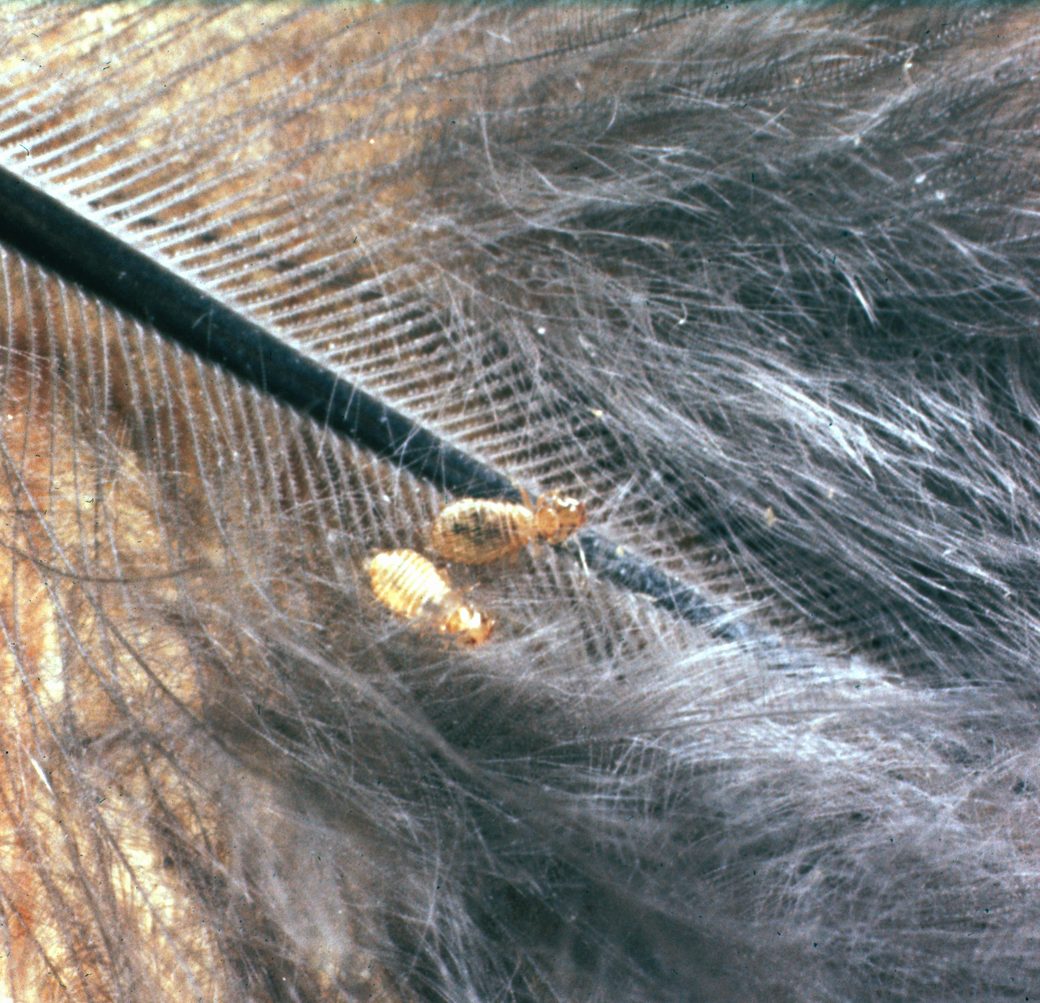

Mississippi State is explicit on the parasite case: if feathers are missing from the abdominal and vent area, the cause is most likely the presence of external parasites such as the northern fowl mite or poultry lice. Treatment is a pesticide approved for poultry, applied to the birds. It is also explicit on mating damage — birds that frequently mate may lose feathers especially on the backs and heads of hens, and those feathers grow back once the breeding season ends.
For feather eating, the cause is usually the ration. A methionine-deficient bird will eat feathers trying to satisfy the craving, so the fix is the feed rather than the behaviour.
One more filter, from the extension guidance on egg production: if your hens have been laying for less than 10 months, something else is probably causing the drop. A young flock that has stopped is unlikely to be molting.
Feeding through a molt
Keep protein up and keep it consistent. Penn State’s recommendation for a laying flock is a 16 to 18 percent protein layer ration with grit and a calcium source such as oyster shell, and that is the sensible floor to hold through a molt rather than a number to abandon. Florida IFAS puts the switch to layer feed at 18 weeks with a 14 to 16 percent ration, so the band across the two is 14 to 18 percent depending on the bird and the source.
Raising protein above the layer ration during a molt is common backyard practice, and the logic behind it is sound given how much protein a new coat costs. It is not, however, something the extension publications above specify, so treat a higher-protein grower or all-flock feed as a reasonable choice rather than a documented requirement. Whatever you feed, the ration only works if the birds actually eat it: diluting it with scratch grains is one of the named routes into a nutritional deficiency, and a deficiency can itself trigger a molt.
Use the feed transition calculator to move between rations without wasting a bag, and the feed consumption calculator to size what your flock actually gets through.
Do not add artificial light to push a molting hen back into lay. Light drives production, and Penn State’s 14 to 16 hours a day is the figure for maximum year-round output — but a bird in molt is committed, and forcing the issue asks her to build feathers and eggs from the same protein at the same time.
Common molt problems
Other birds pick on the molting hen. Pin feathers have a blood supply, and a bleeding quill attracts pecking, which is how an ordinary molt turns into an injury. Watch birds low in the order, break up sustained pecking, and separate a bird who is actually bleeding until the quill hardens. Since a methionine shortage independently pushes birds to eat feathers, a pecking outbreak during a molt is a reason to check the ration as well as the flock.
Only one hen is molting. Usually normal. Birds hatched at different times reach their first molt at different times, and Mississippi State’s early and late molters run to different clocks by nature. It is worth a second look only if that bird also has bare patches at the vent, has been laying under 10 months, or seems unwell — at which point read the table above rather than assuming a molt.
You cannot speed a molt up. There is no feed, supplement, or lighting schedule that shortens it, and the honest answer to “how do I bring her out of it” is that you wait. What you can do is remove the things that stretch it out: thin feed, competition at the feeder, cold, damp, parasites, and stress. A hen who is warm, dry, unbothered and properly fed finishes as fast as she is going to.
Frequently asked questions
How long do chickens molt?
Two to six months, depending on the bird. Fast molters shed quickly and finish in two to three months; slow molters drop a feather at a time and take four to six. A flock molted together is generally back in production in 10 to 12 weeks.
When do chickens molt?
In autumn, as day length falls. There is no fixed month — the trigger is light rather than the calendar, so the timing shifts with your latitude and the weather in any given year.
Do chickens stop laying when they molt?
Most do, until the new feathers are in. Some hens keep laying at a reduced rate. Either way it resolves on its own, and there is no way to restart production early.
How do I know if my chicken is molting or has mites?
Look at where the feathers went. A molt starts at the head and works back; parasite damage shows at the abdomen and vent, with irritated skin underneath. Pin feathers mean a molt. Scabs and insects mean treatment.
What should I feed a molting chicken?
A consistent 16 to 18 percent protein layer ration, with grit and oyster shell. Do not dilute it with scratch grains — a nutritional shortfall can prolong a molt or trigger one, and feathers are especially demanding of methionine.
Why is only one of my chickens molting?
Because birds molt on their own schedules, set by hatch date and by whether they are naturally early or late molters. A single molting hen in an otherwise normal flock is expected rather than odd.
When do chickens molt for the first time?
After roughly a year of laying. Pullets come into production around 20 weeks and good layers run 50 to 60 weeks before their first rest period, so a spring-hatched pullet usually lays through her first winter and molts the following autumn.
Sources
- Mississippi State University Extension — Molting of laying hens: the order feathers are lost (head, neck, breast, body, wings, tail); early versus late molters and their durations of four to six and two to three months; late molters laying 12 to 14 months before molting; the finding that late molters are the better layers despite looking more ragged; and that most hens stop producing eggs until the molt is complete.
- Mississippi State University Extension — Causes of poor feathering: feather loss at the abdominal and vent area indicating northern fowl mite or poultry lice; feathers containing high levels of methionine and deficient birds eating feathers; and mating damage appearing on the backs and heads of hens and regrowing after the breeding season.
- Penn State Extension — Management requirements for laying flocks: 10 to 12 weeks to complete a molt and return to production for a flock molted after 80 weeks; the 16 to 18 percent protein layer ration with grit and a calcium source; 14 to 16 hours of light per day for maximum year-round production; and pullets coming into production around 20 weeks.
- University of Florida IFAS — PS029, Factors affecting egg production in backyard chicken flocks: good layers laying about 50 to 60 weeks before the rest period called a molt; decreasing autumn and winter day length causing severe decline or cessation of production without supplemental light; and molt following when production ceases.
- University of Florida IFAS — AN239, Raising backyard chickens for eggs: the molt as a natural part of the life cycle that does not indicate a problem, lasting a period of weeks with a return to regular production afterwards; and the switch to a 14 to 16 percent layer feed at 18 weeks.
- Extension — Raising chickens for egg production: the 10-month filter for whether a production drop is a molt at all; and wrong feed, dilution with scratch grains, or limited feed causing a nutritional deficiency that triggers a molt and takes hens out of production.
Two figures in circulation are deliberately absent above. Feathers are often quoted as being 85 percent protein and molting hens as needing a 20 percent ration; neither number appears in the extension sources cited here, so this guide gives the sourced 14 to 18 percent band and the methionine point instead.
Figures are planning guidance for backyard flocks, not veterinary advice. A bird that is unwell, bleeding, or losing feathers at the vent needs attention rather than patience — for health concerns, consult a licensed poultry veterinarian. Last reviewed September 2026.